








Planning meals from pantry staples is a smart way to streamline your cooking routine, cut down grocery trips, and make the most of what you already have on hand. Whether you’re looking to simplify weeknight dinners or prepare yourself for unexpected busy days, learning how to use pantry essentials effectively can help you create delicious, wholesome meals without the stress of last-minute shopping.
In this post, we’ll explore practical steps to help you plan meals from your pantry staples, plus ideas to inspire your menu and tips for keeping your pantry organized and stocked.
Understanding Pantry Staples
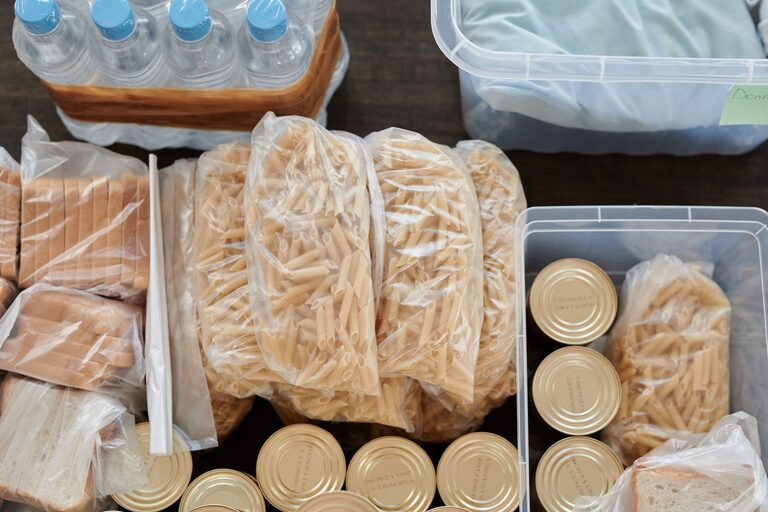
Pantry staples are non-perishable food items that you can store for a long time without worrying about spoilage. Common pantry staples include:
– Dry grains: rice, quinoa, pasta, oats
– Canned goods: beans, tomatoes, tuna, vegetables
– Baking essentials: flour, sugar, baking powder, baking soda
– Oils and condiments: olive oil, vinegar, soy sauce, mustard
– Spices and herbs: salt, pepper, garlic powder, dried oregano, basil
– Nuts and seeds: almonds, walnuts, chia seeds
– Shelf-stable proteins: peanut butter, canned chicken or salmon
Having a well-stocked pantry with these basics means you can combine ingredients in new ways to create varied and satisfying meals.
Step 1: Take Inventory of Your Pantry
Before planning meals, it’s essential to know what you already have. Set aside time to:
– Check expiration dates and discard anything expired.
– Group similar items together (e.g., grains, canned goods, spices).
– Make a list of staples available, noting quantities.
This inventory will serve as the foundation for your meal plan and help you avoid buying duplicates.
Step 2: Choose Meal Ideas Around Your Staples
Once you know what you have, brainstorm meals using those ingredients. Here are some common meal ideas using pantry staples:
Breakfast Options
– Oatmeal with nuts and dried fruit: Cook oats with water or milk; top with almonds and raisins.
– Pancakes from flour and baking powder: Use simple pancake batter and add cinnamon or vanilla.
– Peanut butter toast: Spread peanut butter on whole grain bread; add honey or sliced bananas if available.
Lunch and Dinner Ideas
– Pasta with tomato sauce and canned vegetables: Combine cooked pasta with canned tomatoes, garlic, and spices.
– Rice and beans bowl: Mix cooked rice, canned beans, and sautéed spices or onion if available.
– Tuna salad wrap: Use canned tuna with mayo or mustard, add canned corn or beans, and wrap in tortillas.
– Soup or stew: Combine broth (or water with bouillon), canned vegetables, grains, and spices for a hearty dish.
Snacks and Sides
– Roasted nuts or seeds: Season and roast almonds, pumpkin seeds, or sunflower seeds.
– Popcorn: A quick snack using pantry kernels and oil.
Step 3: Plan Your Menu for the Week
Create a weekly meal plan based on your pantry inventory and meal ideas. Here’s how:
– Start with meals that use ingredients nearing their expiration.
– Balance meals with protein, carbs, and vegetables (fresh or canned).
– Include leftovers or repurpose meals to save time.
– Add a few fresh or frozen items if needed to complement pantry staples.
A sample one-day meal plan might look like this:
– Breakfast: Oatmeal with nuts and honey
– Lunch: Rice and black bean bowl with salsa
– Dinner: Pasta with canned tomato sauce and sautéed canned mushrooms
– Snack: Roasted almonds
Step 4: Shop Smart to Fill Gaps
Even with a stocked pantry, a few fresh items like vegetables, fruits, or dairy can elevate your meals. When shopping, consider:
– Choosing seasonal produce to complement pantry meals.
– Buying in bulk for staples you use often.
– Keeping an ongoing list of items to replenish based on your meal plan.
Step 5: Meal Prep and Storage Tips
To save time during busy days, consider these tips:
– Cook grains like rice or quinoa in advance and store in the fridge.
– Prepare large batches of soups or stews and portion them into containers.
– Use airtight jars or containers to keep pantry items fresh longer.
– Label leftovers with dates to track freshness.
Bonus Tips for Success
– Get creative with spices: Change flavor profiles by experimenting with different herbs and spices.
– Combine pantry staples with frozen foods: Frozen vegetables and proteins expand your options without worry of spoilage.
– Keep a recipe binder or app: Organize favorite pantry-based recipes for easy reference.
– Practice flexible meal planning: Adjust meals based on what’s available and your schedule.
Conclusion
Planning meals from pantry staples doesn’t have to be complicated. By taking stock of your supplies, getting creative with recipes, and organizing your week thoughtfully, you can enjoy delicious, nutritious meals without the stress of last-minute cooking or grocery runs. Building a versatile pantry and learning how to use it efficiently benefits your budget, reduces food waste, and makes cooking more enjoyable.
Start today by checking your pantry, picking a few favorite staple-based recipes, and designing a simple meal plan for the week. You’ll soon experience the convenience and satisfaction of having a kitchen stocked with essentials ready to turn into tasty meals anytime.