










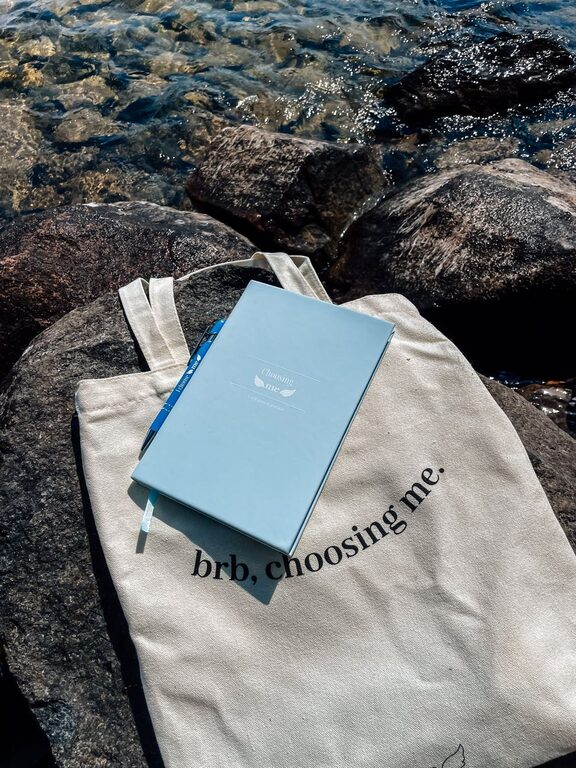
Choosing the right notebook can seem simple, but if you’ve ever bought one and then left it unused, you know it’s not always that easy. A notebook is more than just pages bound together—it can be your planner, journal, idea catcher, or study buddy. The key is to find a notebook that suits your style and motivates you to use it regularly. Here’s a helpful guide on how to choose a notebook you’ll actually want to use.
Understand Your Purpose
Before buying a notebook, ask yourself what you want to use it for. Your purpose will influence the size, style, and layout you choose.
Common Uses for Notebooks
– Daily planning or to-do lists: Look for a notebook with sections or space for dates.
– Journaling: Choose a notebook with smooth pages and enough space for reflections.
– Note-taking for work or school: Consider ruled or grid paper that helps with organization.
– Creative writing or sketching: Blank or dotted pages might suit you better.
– Project management: A notebook with bullet journal-style layouts can be helpful.
Knowing your primary use helps narrow down the type of notebook that’ll feel right in your hands.
Consider Size and Portability
Notebooks come in all shapes and sizes. Think about where and how you’ll carry it.
– Pocket-sized (A6 or smaller): Great for quick notes on the go but can feel cramped.
– Medium (A5): A popular choice balancing portability and writing space.
– Large (A4 or bigger): Ideal for detailed notes or art but less portable.
If you travel often or like to jot ideas anywhere, a smaller size might encourage more consistent use.
Paper Quality Matters
The feel of paper can affect your writing experience. Higher quality paper often prevents ink from bleeding through or smudging.
– Weight: Paper is measured in grams per square meter (gsm). Standard notebooks usually have 70-80 gsm, while premium ones can go up to 120 gsm or more.
– Texture: Smooth paper is good for fountain pens and fine liners, while textured paper suits pencils and markers.
– Color: White pages are bright and clear; cream pages reduce eye strain and can look more elegant.
Testing different paper types in store or reading reviews can help you pick the best fit.
Choose the Right Binding
How your notebook opens and stays open can impact your writing comfort.
– Spiral-bound: Opens flat easily but may catch on bags or hands.
– Sewn or perfect bound: Usually more durable but might not lay flat.
– Hardcover vs. softcover: Hardcover notebooks protect pages better, while softcover notebooks are lighter.
Decide what feels most comfortable for how you write or carry your notebook.
Think About Page Layout
Different page layouts serve different needs.
– Ruled lines: Good for writing longer texts or notes.
– Grid or graph paper: Helpful for charts, math, or precise drawings.
– Dotted pages: Popular for bullet journaling; offer guidance without distraction.
– Blank pages: Great for sketches, mind maps, or free-form notes.
If you like mixing writing and drawing, dotted or grid paper offers a flexible middle ground.
Design and Aesthetics
While functionality is key, a notebook that you find visually appealing can motivate you to open it more often.
– Choose a color or design that resonates with your personality.
– Consider if you want minimalistic or decorative covers.
– Think about whether you want additional features like bookmarks, elastic closures, or pockets.
A notebook that feels inviting can make the writing experience more enjoyable.
Budget and Sustainability
Notebooks vary widely in price, so decide on your budget beforehand. Keep in mind that investing in a quality notebook can pay off in durability and writing comfort.
If eco-friendliness matters to you, consider notebooks made from recycled paper or sustainable materials.
Tips to Make Your Notebook a Habit
Once you’ve chosen your notebook, here are some ways to keep using it regularly:
– Keep it visible: Store it where you’ll see it often.
– Set specific times: Dedicate a few minutes daily or weekly to writing or planning.
– Personalize it: Add stickers, tabs, or notes to make it yours.
– Use it for more than one purpose: Combining ideas, doodles, and notes keeps it interesting.
– Don’t aim for perfection: Allow your notebook to be a place of creativity, not judgment.
Final Thoughts
Choosing a notebook that you’ll enjoy using is about matching the notebook to your lifestyle, needs, and preferences. By considering factors like purpose, size, paper, binding, and design, you’re more likely to find one that becomes a favorite tool in your daily routine. Take your time, explore different options, and soon your notebook won’t just be a purchase—it’ll be a trusted companion.